(Insight)
Publishing, chance and Poker
(Insight)
Publishing, chance and Poker

"Is poker a game of chance?"
"Not the way I play it."
— W. C. Fields
Publishing is a gamble — or so the story goes. You place your bets and spin the wheel. Around 80% of titles lose money. The hits pay for the misses. As William Goldman observed of the similarly unpredictable movie business, “Nobody knows anything”.
The question is what kind of gambler you want to be. The roulette player accepts the odds as given and hopes. The poker player works with uncertainty to manage risk, read patterns, know when to fold and when to go big. Publishing can feel like the first kind. The better model is the second.
Dead Money
Professional poker players know that poker isn't only gambling. "Serious poker is no more about gambling than rock climbing is about taking risks," wrote Al Alvarez (poet, critic, and serious player himself).
In the short term, variance dominates. Any hand can go against you. But over time, skill compounds. The best players don't win every hand — they make better decisions, more consistently, across hundreds of hands. They manage risk, read patterns, and fold when the odds are bad.
The Flop
Publishing shares poker's genuine uncertainty. You can do everything right and still lose. A brilliant book can sink; a flawed one can catch a wave and sell millions. No amount of data will reliably predict the outlier. If by "knowing" we mean predicting the next runaway hit with certainty, Goldman was right.
But that's not the same as knowing nothing.
The House Always Wins
In a casino, the house wins because the odds are structurally in its favour. In publishing, the house is Amazon. Its algorithms don't care about editorial instincts. They respond to data: metadata quality, sales velocity, conversion rates, and customer behaviour. The rules of discoverability are set by the platform, not the publisher.
That's the reality.
Tilt
Publishers invest in and champion creative work, while managing the machinery that supports it. The economist Richard Caves observed that the creative industries depend on what he called "humdrum inputs" — the unglamorous operational work that allows creative work to reach an audience.
This is where publishers can change the odds. The quality of metadata determines whether a book gets found. Pricing and positioning shape conversion. Operational efficiency frees up resources for the titles that matter. Backlist optimisation turns dormant assets into revenue. Better commissioning analysis reduces the number of losing bets. This doesn’t eliminate risk, but it creates the conditions for success and can limit the downside.
Knowing When to Hold
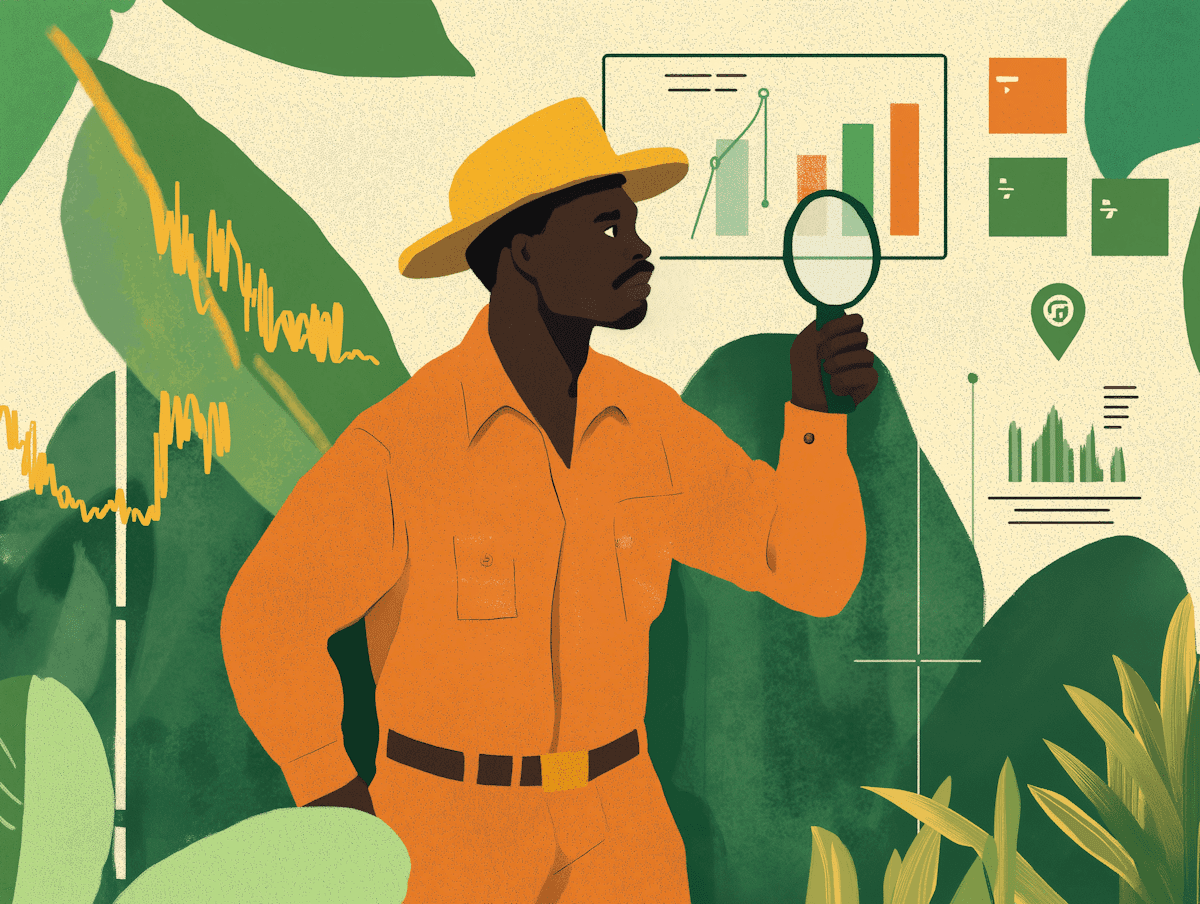
Publishing doesn't need to abandon creative intuition or the gut instinct of the gambler. But it can use data to sharpen marginal calls, freeing up resources to take bigger swings on the books that matter, and understanding what's working and why.
That's not a distant ambition. It's an answerable operational question. The most successful gamblers and investors are those who make consistently better decisions over time with compounding benefits. That is the surest path to resilience and growth for publishers.
"Is poker a game of chance?"
"Not the way I play it."
— W. C. Fields
Publishing is a gamble — or so the story goes. You place your bets and spin the wheel. Around 80% of titles lose money. The hits pay for the misses. As William Goldman observed of the similarly unpredictable movie business, “Nobody knows anything”.
The question is what kind of gambler you want to be. The roulette player accepts the odds as given and hopes. The poker player works with uncertainty to manage risk, read patterns, know when to fold and when to go big. Publishing can feel like the first kind. The better model is the second.
Dead Money
Professional poker players know that poker isn't only gambling. "Serious poker is no more about gambling than rock climbing is about taking risks," wrote Al Alvarez (poet, critic, and serious player himself).
In the short term, variance dominates. Any hand can go against you. But over time, skill compounds. The best players don't win every hand — they make better decisions, more consistently, across hundreds of hands. They manage risk, read patterns, and fold when the odds are bad.
The Flop
Publishing shares poker's genuine uncertainty. You can do everything right and still lose. A brilliant book can sink; a flawed one can catch a wave and sell millions. No amount of data will reliably predict the outlier. If by "knowing" we mean predicting the next runaway hit with certainty, Goldman was right.
But that's not the same as knowing nothing.
The House Always Wins
In a casino, the house wins because the odds are structurally in its favour. In publishing, the house is Amazon. Its algorithms don't care about editorial instincts. They respond to data: metadata quality, sales velocity, conversion rates, and customer behaviour. The rules of discoverability are set by the platform, not the publisher.
That's the reality.
Tilt
Publishers invest in and champion creative work, while managing the machinery that supports it. The economist Richard Caves observed that the creative industries depend on what he called "humdrum inputs" — the unglamorous operational work that allows creative work to reach an audience.
This is where publishers can change the odds. The quality of metadata determines whether a book gets found. Pricing and positioning shape conversion. Operational efficiency frees up resources for the titles that matter. Backlist optimisation turns dormant assets into revenue. Better commissioning analysis reduces the number of losing bets. This doesn’t eliminate risk, but it creates the conditions for success and can limit the downside.
Knowing When to Hold
Publishing doesn't need to abandon creative intuition or the gut instinct of the gambler. But it can use data to sharpen marginal calls, freeing up resources to take bigger swings on the books that matter, and understanding what's working and why.
That's not a distant ambition. It's an answerable operational question. The most successful gamblers and investors are those who make consistently better decisions over time with compounding benefits. That is the surest path to resilience and growth for publishers.
(02 Insights)
More insights.
Hungry for more? Here's some more articles you might enjoy, authored by our talented team.